

Types of Wooden Pallets and Their Standards
Wooden pallets are one of the essential tools in the transportation and warehousing industry. They play a critical role in moving, storing, and protecting goods. Choosing the right type of pallet and understanding its standards can significantly reduce costs, improve safety, and increase efficiency. In this article, we’ll explore the different types of wooden pallets and the common standards associated with them.
Types of Wooden Pallets
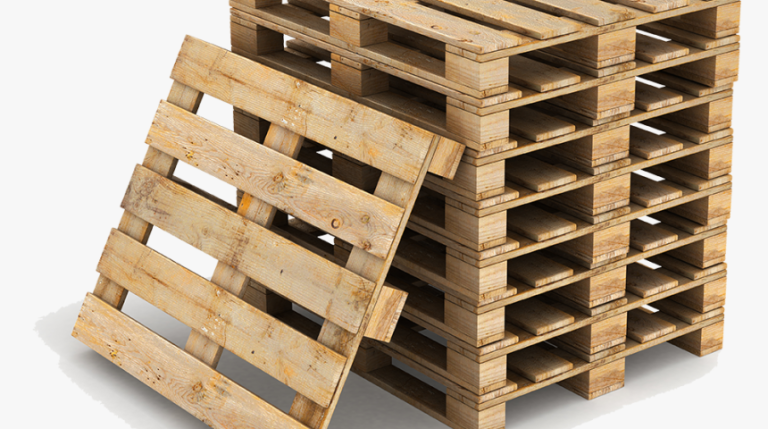
1. Single-Face Wooden Pallet
These pallets can only be used from one side and are generally used for light transport. Their low weight and cost are advantages, but they offer less durability compared to other types.
2. Double-Face Wooden Pallet
These pallets can be used from both sides. They are more durable and have a wider range of applications, especially in industries such as food, pharmaceuticals, and petrochemicals.
3. Block Wooden Pallet
Instead of using traditional beams, these pallets use wooden or compressed blocks between the top and bottom decks. The block design allows lifting from all four sides, making them ideal for forklifts and fast handling.
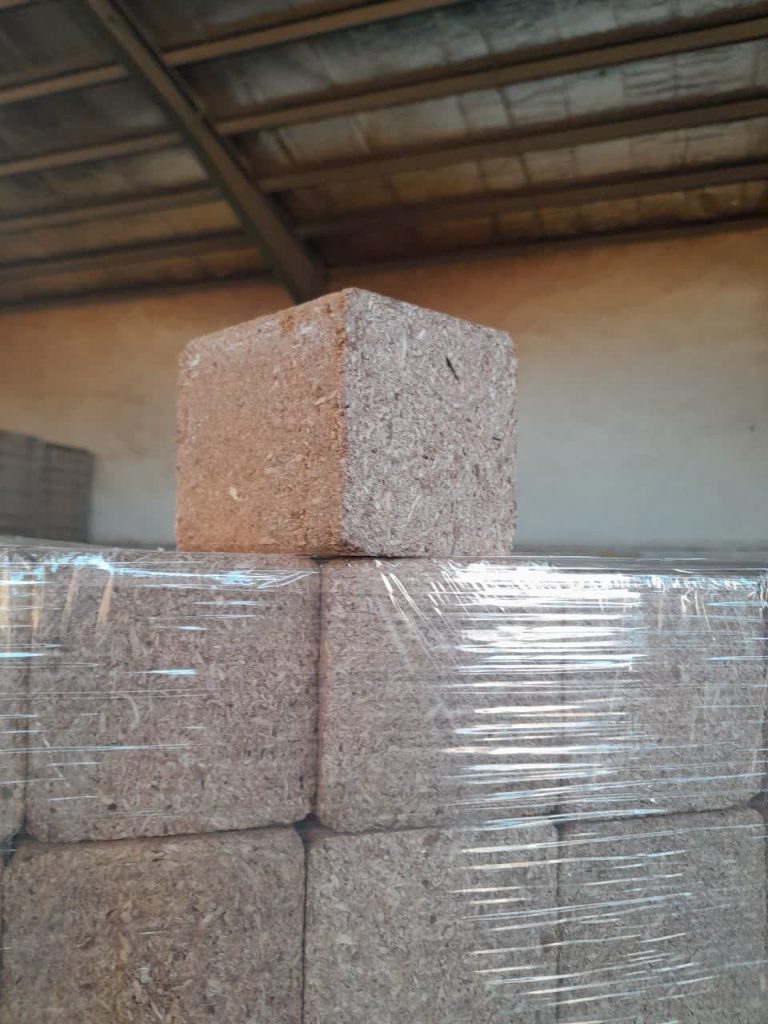
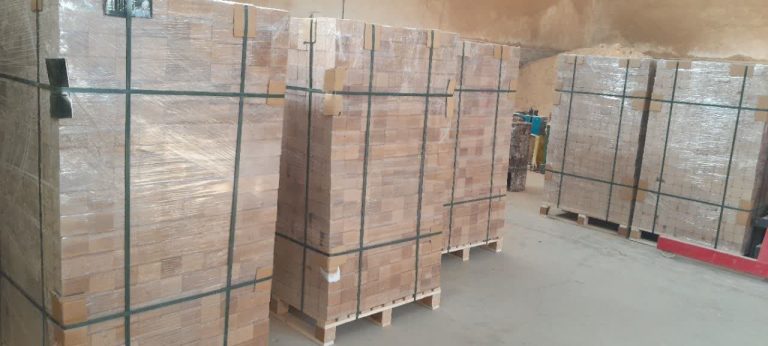
4. Compressed Wood Pallet
These pallets are made from sawdust and special adhesives under high pressure. They are lightweight, highly resistant, and recyclable. They are also ideal for export since they comply with international quarantine standards.

Key Standards for Wooden Pallets
1. ISPM 15 Standard
This international standard is mandatory for pallets used in global trade. According to ISPM 15, pallets must be heat-treated or chemically treated to prevent the spread of pests. Pallets that meet this standard are marked with an HT (Heat Treated) stamp.
2. EPAL Standard
Euro pallets or EPAL pallets have standard dimensions of 1200×800 mm and are widely used across Europe. They are known for high build quality and reusability.
3. GMA Standard (USA)
In the United States, pallets built to the GMA standard have dimensions of 1219×1016 mm. These pallets are specifically designed for the food and beverage industry.
Key Points When Choosing a Standard Wooden Pallet
- Type of Load: For heavy loads, block or compressed pallets are more suitable.
- Shipping Destination: ISPM 15 compliance is essential for exports.
- Environmental Conditions: For humid or cold environments, waterproof or compressed pallets are preferable.
- Recycling and Repair Options: Some pallets, like block pallets, can be repaired and reused.
Final Thoughts
A wooden pallet is more than just a simple platform for moving goods — it’s a vital component of a professional supply chain and logistics system. Selecting the right pallet type and paying attention to international standards can improve performance, reduce damage, and speed up operations. If you’re looking to buy high-quality and standard wooden pallets, we recommend purchasing from reputable manufacturers such as choobinpallet