

Production of Wooden Pallet Blocks from Recycled Materials
In today’s world, where environmental conservation and the optimal use of natural resources are more important than ever, the wooden pallet manufacturing industry is also moving towards the use of recycled materials. One of the most notable examples of this shift is the production of wooden pallet blocks using recycled raw materials. This approach not only plays a crucial role in preserving natural resources but also offers significant economic benefits.
What is a Wooden Pallet Block?
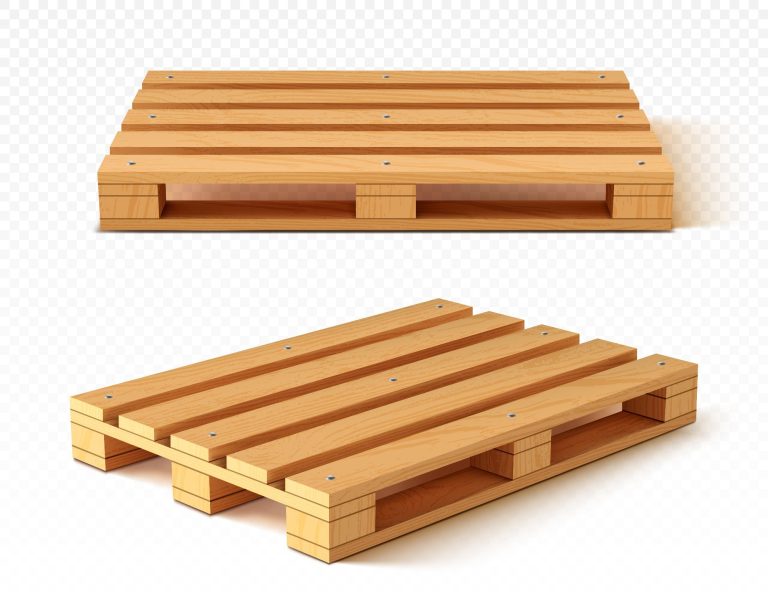
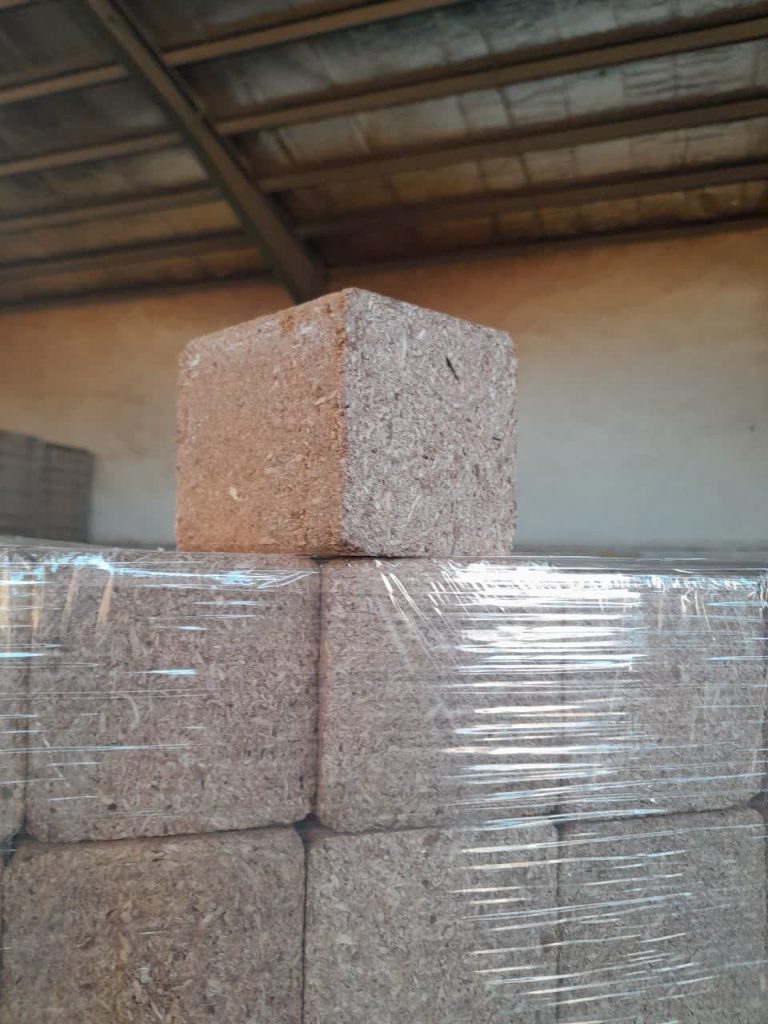
The pallet block (also known as the wooden core block) is the central and essential part of a pallet. It is positioned between the top and bottom deck boards and plays a key role in providing strength, stability, and load-bearing capacity. These blocks are typically manufactured in cubic or cylindrical shapes and must have high resistance to pressure and impact.
Advantages of Using Recycled Materials in Pallet Block Production
Preservation of Natural Resources:
By using sawdust, wood chips, wood fibers, and other recycled materials, the need for cutting down trees is greatly reduced, helping to protect forests.
Reduced Production Costs:
Recycled materials are generally cheaper than raw wood, leading to lower final product prices.
Reduction of Industrial Waste:
Recycling wood waste helps decrease the volume of industrial waste and enhances resource efficiency.
Eco-Friendly:
Products made from recycled materials have a smaller carbon footprint and play an important role in promoting sustainable development.
Production Process of Pallet Blocks from Recycled Materials
The production process typically involves the following steps:
- Collection of Wood Waste: Sawdust, wood chips, and other wood scraps from factories are collected.
- Drying: The moisture content of the raw materials is reduced to a standard level to ensure the quality of the final product.
- Mixing with Resin: The dried materials are mixed with adhesives or special resins to achieve the necessary cohesion for compression.
- Molding and Compression: The mixture is poured into special molds and compressed under high pressure and heat.
- Cutting and Finishing: After compression, the blocks are cut into standard sizes and finished as needed.
Applications of Pallet Blocks Made from Recycled Materials
Due to their high strength and cost-effectiveness, these blocks are widely used in various types of industrial, export, and warehouse wooden pallets. They can easily bear heavy loads and are resistant to moisture and impact.
Conclusion
Using recycled materials in the production of wooden pallet blocks is a crucial step toward environmental conservation and industrial cost reduction. This method not only decreases the need for deforestation and reduces wood waste but also provides the market with durable, economical, and eco-friendly products. As global awareness of environmental issues grows, it is expected that this production approach will gain even more popularity in the future.